

Is Resistance Training Safe During Pregnancy? New Research Says Yes — and Here’s Why
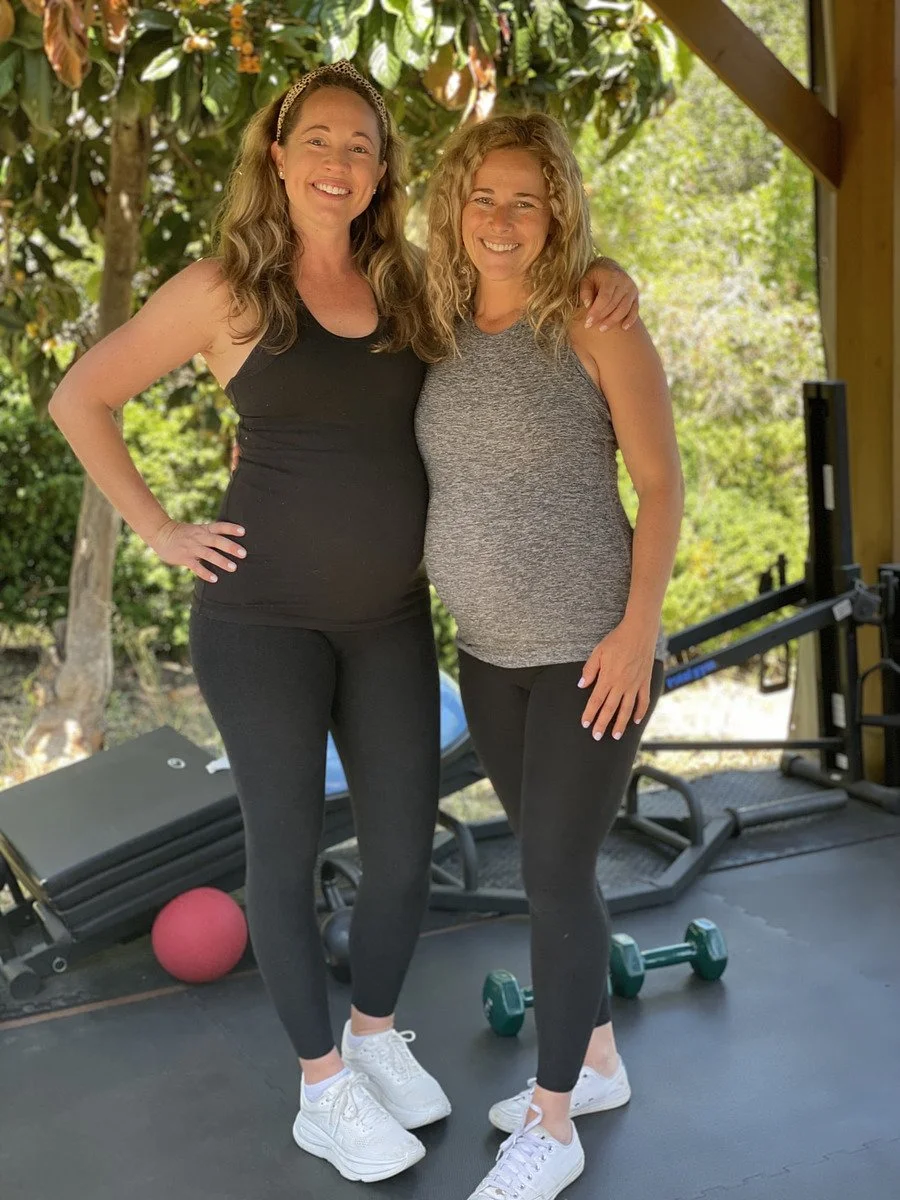
For years, pregnant women have been told to “take it easy,” especially when it comes to lifting weights. But a new systematic review and meta-analysis has officially flipped that narrative on its head.
The latest evidence shows that resistance training during pregnancy is not only safe — it’s protective, improving outcomes for both mom and baby when programmed appropriately.
Let’s break down what the research found and what this means for your workouts.
What the New Systematic Review Found
A comprehensive review of pregnancy resistance-training studies found consistent benefits across pregnancy, delivery, pelvic floor function, and fetal outcomes.
Key Findings
Lower risk of gestational hypertension
Reduced odds of gestational diabetes
Better mental health outcomes, including decreased perinatal mood disorders
Lower likelihood of fetal macrosomia (very large babies)
No harmful effects on babies
Equivalent or improved pelvic floor outcomes compared to non-training groups
In other words:
Strength training supports healthy pregnancies rather than threatening them.
Why Strength Training Helps (Physically and Physiologically)
1. Improved Metabolic Health
Resistance training improves insulin sensitivity and glucose management — two crucial factors during pregnancy.
2. Better Circulation and Placental Support
Moderate loading increases maternal blood flow without compromising fetal oxygenation.
3. Stronger, Safer Birth Preparation
Strength work supports:
Core and pelvic stability
Postural control
Labor endurance
Postpartum recovery
4. Mental Health Benefits
Women who strength train report:
Lower fatigue
Less pain
Improved emotional resilience
Addressing Common Fears (With Evidence)
Myth 1: “Lifting weights could hurt the baby.”
Evidence: No studies show harm to fetal health when strength training is appropriately programmed.
Myth 2: “Strength training is too dangerous for pregnancy.”
Evidence: Mothers who lift have better pregnancy outcomes than those who don’t.
Myth 3: “It will damage your pelvic floor.”
Evidence: Research shows no increased risk of pelvic floor dysfunction — and combining resistance training with pelvic floor work can actually improve symptoms.
What ‘Safe Strength Training’ Actually Means
Resistance training during pregnancy is safe when programmed well.
Here’s what that looks like:
Gradual progression
Load matched to experience level
Good breathing + core coordination
Movements that support daily function
Modifications as the belly grows
Guidance from a prenatal-informed coach
This is not the time for maximal lifting, breath-holding, or extreme fatigue — but it is absolutely a time for strength.
Practical Guidelines for Pregnant Lifters
You can safely strength train during pregnancy if you:
Have clearance from your provider
Use loads that feel challenging but controlled
Avoid exercises that compromise balance
Adjust volume as energy fluctuates
Prioritize pelvic floor and core coordination
Listen to your body and stop with any symptoms
This approach not only protects your pregnancy — it prepares your body for birth and postpartum.
The Bottom Line
The newest evidence is clear:
Resistance training during pregnancy is safe, beneficial, and protective.
It supports:
Healthy pregnancy outcomes
Stronger deliveries
Better postpartum recovery
Improved pelvic floor health
And more confident, empowered moms
It’s time to retire fear-based fitness advice and replace it with evidence-based support for strong, capable pregnant bodies.