

“Resistance Training in Pregnancy: What the Research Actually Says”
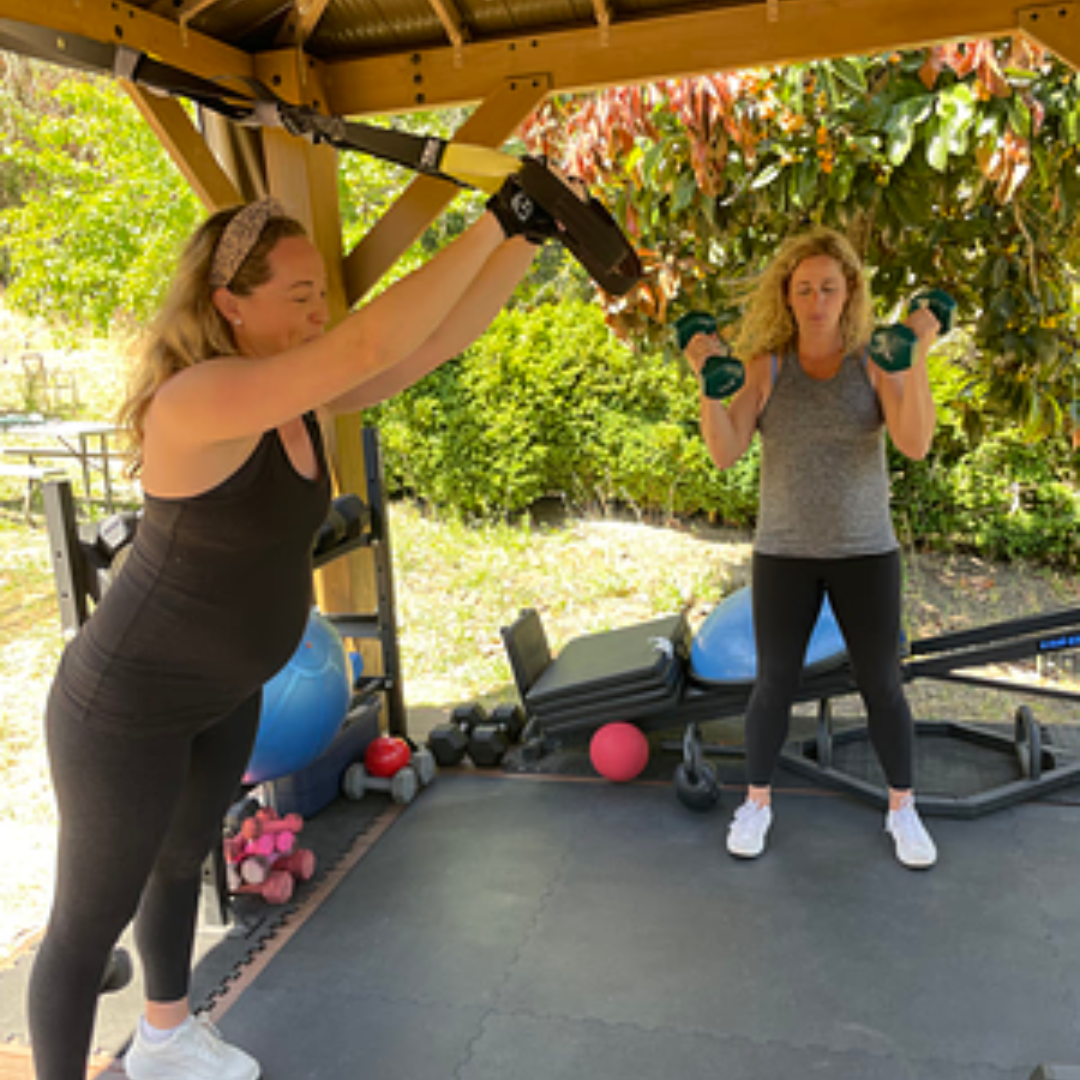
Pregnant women are consistently told to “stay active,” but when it comes to resistance training, the message becomes vague fast.
How much weight?
How often?
What intensity?
And does strength training by itself create the benefits we see in research?
Recent studies continue to support resistance training as a powerful tool for maternal health — but the details are still fuzzy.
Here’s what the research actually shows, where the gaps are, and how we can safely apply strength training in real life.
1. What the Research Clearly Supports
Across multiple studies, resistance training during pregnancy has been linked to meaningful health benefits, including:
Lower risk of gestational hypertension
Reduced odds of gestational diabetes
Improved mood and lower rates of perinatal depression
Better overall pregnancy comfort and functional strength
In short:
Strength training isn’t the issue — under-prescribing it is.
2. The Problem With Current Research Designs
Here’s where things get complicated.
Most pregnancy exercise studies don’t analyze resistance training alone.
Instead, they use multicomponent programs combining:
Aerobic exercise
Strength training
Flexibility/mobility work
Education or lifestyle guidance
While these programs are excellent for overall health, they make it extremely hard to answer the question:
What does resistance training by itself contribute?
We know strength training works — we just can’t isolate exactly how.
3. The Dosage Dilemma
Another major issue: poorly defined resistance training dosage.
In research, aerobic training is often:
Well defined
Progressively dosed
Clearly monitored
Resistance training? Not so much.
Common problems include:
Light weights (<20 lbs) regardless of training age
No progression across trimesters
Non-specific terminology (“moderate intensity”)
Minimal load monitoring
Sessions described but not quantified
This leads to programs that technically include resistance training, but don’t reflect real-world strength programming.
4. Why Better Research Is Needed
If we want clearer answers, we need studies that include:
✔ Defined loads and intensity
✔ Progression across trimesters
✔ Isolated RT interventions (RT-only groups)
✔ Realistic strength prescriptions
✔ Standardized terminology
Until then, practitioners and pregnant clients have to navigate a gray area between research and real-world experience.
5. What Coaches & Clinicians Can Do Right Now
Even with research gaps, we know enough to make responsible, effective decisions.
Here’s what we can safely implement:
Safe and Effective Guidelines
Use relative intensity (RPE or RIR) to guide training
Progress load gradually as tolerated
Incorporate compound lifts and functional movement patterns
Adjust for symptoms, not fear
Focus on core and pelvic floor strategy over restricting movement
Avoid unnecessary load limitations without medical reason
What Matters Most
Strength training should be individualized, progressive, and clinically informed — not watered down because research hasn’t caught up yet.
6. The Bottom Line
We don’t need less resistance training in pregnancy.
We need better-described, better-studied, and better-applied resistance training.
Until research evolves, thoughtful programming and symptom-guided progression offer a clear, safe path forward.
➥ Want practical programming examples and deeper breakdowns?
Read related posts below and explore how STRONGMom supports safe, strong pregnancy training.