

Resistance Training in Pregnancy
What New Research Gets Right — and What It Still Misses
Pregnancy and resistance training have long been a confusing pair — everyone agrees movement is important, but the “how heavy, how often, how hard” questions remain wildly inconsistent.
A new research review finally sheds light on something many coaches, clinicians, and pregnant moms have felt for years:
Resistance training during pregnancy is associated with significantly improved outcomes
— even when the loading is extremely conservative.
Let’s break down what this means for real-world training.
Key Findings From the Review
Even with low-to-ultra-light weights, resistance training was linked to:
~60% lower odds of gestational hypertension
~40% lower odds of gestational diabetes
~50% lower odds of perinatal mood disorders
~30% lower odds of macrosomia (>4000 g)
These results alone are impressive — but the deeper story is even more important.
The Hidden Problem: How Studies Prescribe “Strength Training”
Across the review, researchers consistently:
✘Failed to report actual load
✘Left out progression details
✘Gave little to no intensity guidance
And here’s the surprising part:
➥Not a single study used weights heavier than 20 lbs.
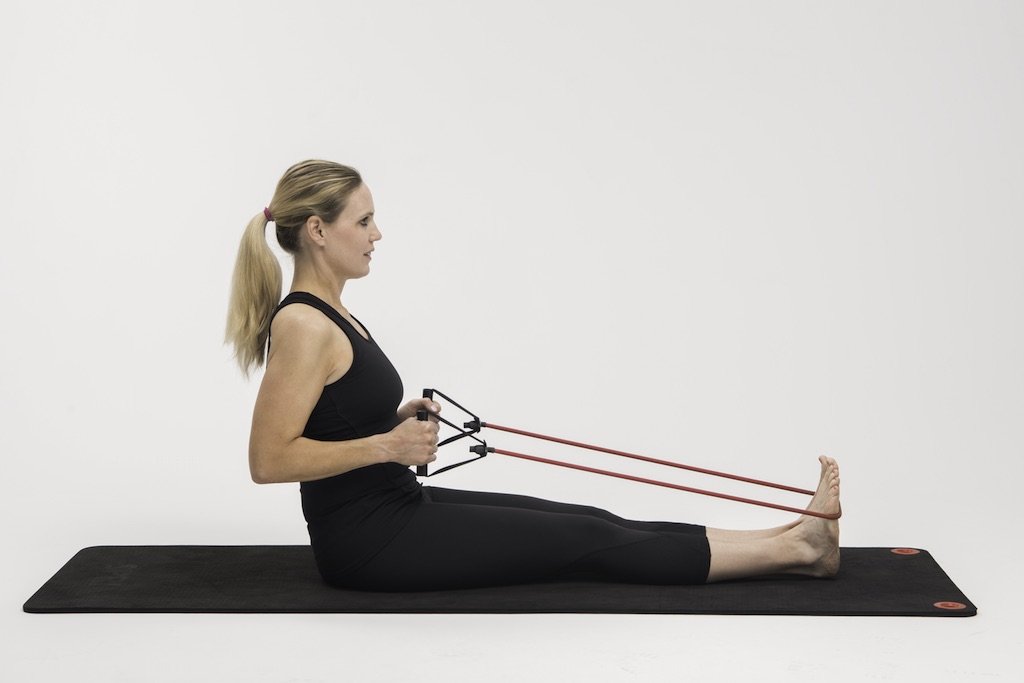
➥Many relied on resistance bands or 1–2 kg (2–5 lb) dumbbells.
In other words:
The “strength training” being studied isn’t strength training as we use the term clinically or in the gym.
And yet… outcomes STILL improved.
Why Conservative Loading Still Works
Even minimal resistance gives the body:
Muscular activation
Improved blood flow
Nervous system benefits
Metabolic support
Movement confidence
This tells us one thing clearly:
➥Pregnancy responds well to strength training — even when underdosed.
So imagine what appropriately prescribed loading could do.
What We Can Conclude From the Data
Based on the current evidence, we can confidently say:
✓ Resistance training in pregnancy supports metabolic health
✓ It reduces common pregnancy complications
✓ It benefits emotional and mental wellbeing
✓ It is safe when programmed well
Pregnancy is not the contraindication.
Poor research design is.
What We Cannot Conclude Yet
We cannot say:
✘ “Heavy lifting is unsafe” (because it’s not even tested)
✘ “Women should stay under 20 lbs”
✘ “Light band work is all that is needed”
The absence of data is not the presence of risk.
What This Means for Real-World Programming
Here’s where evidence and practice meet:
Use progressive overload
Allow heavier loading when appropriate
Teach pressure management + breathing
Consider symptoms, history, and trimester
Select full-body functional movements
Pregnant athletes and beginners alike deserve more than ultra-light prescriptions.
Your Next Step
If you want guidance that reflects BOTH research and real-world clinical experience:
➤ Explore the Updated Pregnancy Training Programs
(Safe strength progression, core + pelvic floor strategy, trimester guides)
➤ Book 1:1 Coaching or Prenatal Support
(For personalized programming and symptom management)
➤ Clinical Education for Coaches
(Perfect for doulas, trainers, and birth workers)